Posted on 3/27/2026
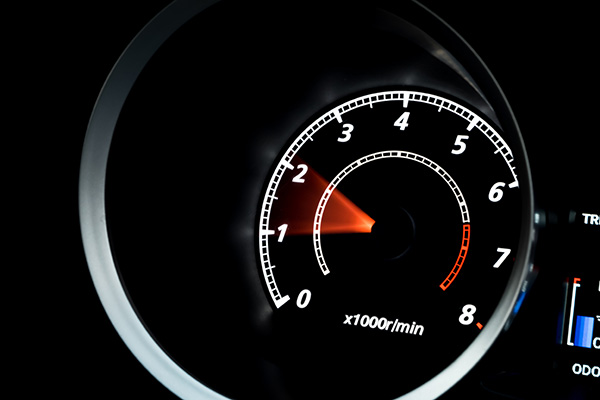
A rough engine idle usually shows up before the rest of the drive gives you much to complain about. The engine starts, shakes a little, stumbles at a stop, or sounds uneven for the first minute or two. Then, once it warms up, the problem seems to fade, and the car feels much closer to normal. That early roughness is usually the first clue that one part of the engine management system is falling behind. Why Cold Starts Expose Small Problems Faster A cold engine needs more precise control than many drivers realize. Fuel delivery, airflow, ignition timing, and idle speed all have to be adjusted differently before the engine reaches normal operating temperature. When one part of that process is weak, the problem shows up immediately during a cold start because the engine has less margin for error. That is why a car may idle poorly when cold and then smooth out later. Once the ... read more
Posted on 2/27/2026
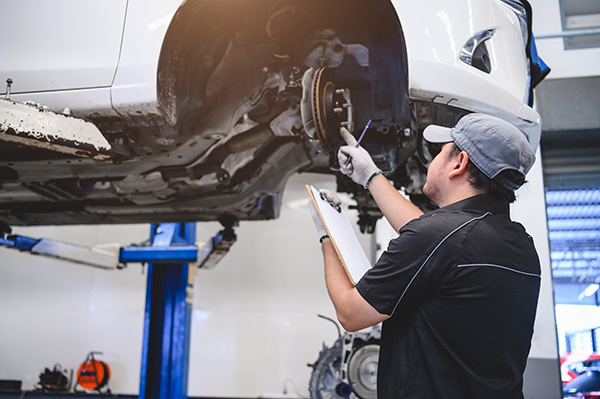
A steering wheel shake when you hit the brakes means something up front is no longer moving evenly. Sometimes it is the brakes themselves, and other times braking is just the moment you feel a suspension or tire problem that has been building for a while. The faster you are going, the more obvious it tends to feel. The key is figuring out whether it is a brake vibration, a wheel issue, or looseness in the front end. When Steering Wheel Shake Points To The Brakes If the shake shows up mainly while braking and fades away when you let off the pedal, the brakes are a prime suspect. Braking squeezes the rotor between the pads, so any unevenness gets transmitted right into the steering wheel. You might feel it as a pulse in the pedal, a wobble in the wheel, or both at the same time. If it only happens after a long drive or a downhill stretch, heat can make the symptom stronger. A rotor that is already uneven can feel much worse once it gets hot. We see this most often af ... read more
Posted on 1/30/2026
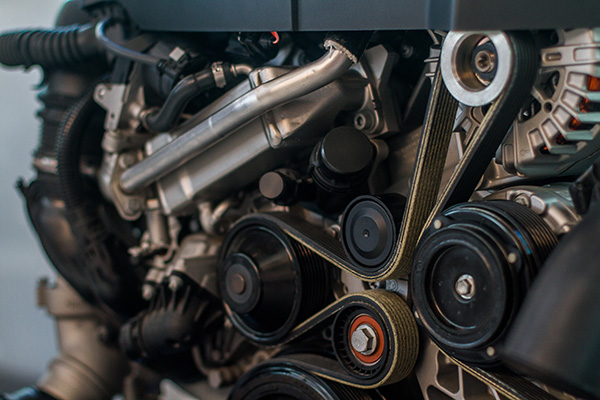
Cars make noises. Most of them are harmless, and you learn to tune them out. The tricky part is when a new sound shows up that does not match anything you have heard before. That is the kind of noise that deserves attention, even if the car still drives fine. Unusual noises are often early warnings. Catch them early, and the repair is usually simpler. Wait too long, and the sound you ignored can turn into a breakdown, a safety issue, or a more expensive fix than it needed to be. Why New Noises Are One Of The Best Early Warnings A car is full of moving parts, and most failures start as a small change, not a sudden collapse. A bearing starts to wear. A belt starts to slip. A mount starts to crack. Your ears often catch that change before the dashboard does. Pay attention to when the noise happens. Is it only on cold starts, only on bumps, only during turns, or only when braking? That timing is one of the fastest ways to narrow the cause and avoid replacing the wrong ... read more
Posted on 12/19/2025
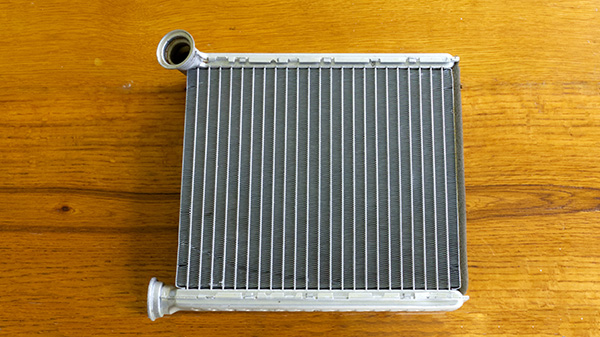
Hidden behind the dashboard, the heater core looks like a small radiator. Hot engine coolant flows through tiny passages in the core while a fan blows air across the fins. That warm air is what you feel coming out of the vents when you turn the heat on. It also feeds the defrost setting, which clears moisture and fog from the windshield on cold or wet days. When everything is healthy, you get steady cabin heat, reliable defrost, and no smells or dampness inside. Once the heater core starts to clog, leak, or corrode, you can lose heat, fog up constantly, or even end up with coolant inside the cabin instead of under the hood. Classic Signs Your Heater Core Is Failing Heater core problems tend to show up in a few familiar ways. If you are noticing more than one of these, it is worth paying attention: Weak or no heat from the vents, even when the engine is fully warmed up A sweet, antifreeze-like smell inside the cabin Foggy windows that are hard to clear and come ba ... read more
Posted on 11/28/2025
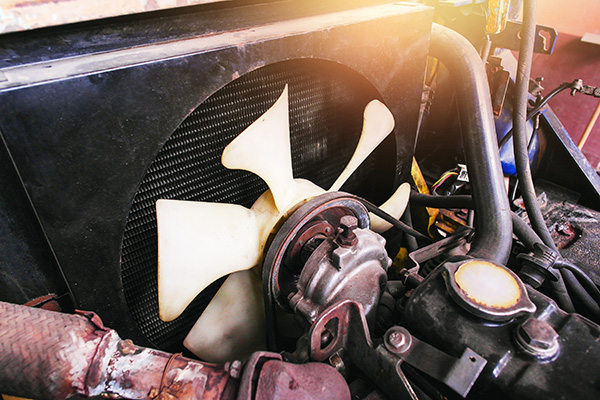
Hearing a radiator fan whirring after you shut the engine off can feel strange, especially on a quiet Eugene street. Sometimes it is completely normal. Other times it hints at heat problems or an electrical fault that deserves a check. Here is how to tell the difference, plus simple steps to keep the cooling system healthy. When a Running Fan Is Normal Many late-model cars are programmed to run the fan for a few minutes after shutdown. The goal is to pull heat out of the radiator, condenser, and engine bay so trapped heat does not spike temperatures. On some turbocharged engines, the fan pairs with an electric after-run pump that circulates coolant to protect the turbo and prevent hotspots. A brief, steady fan cycle that stops on its own is usually normal behavior. Heat Soak on Hot Days After you park, the coolant stops circulating and the underhood temperatures rise. This “heat soak” can push sensor readings higher than they were whi ... read more
Posted on 10/31/2025
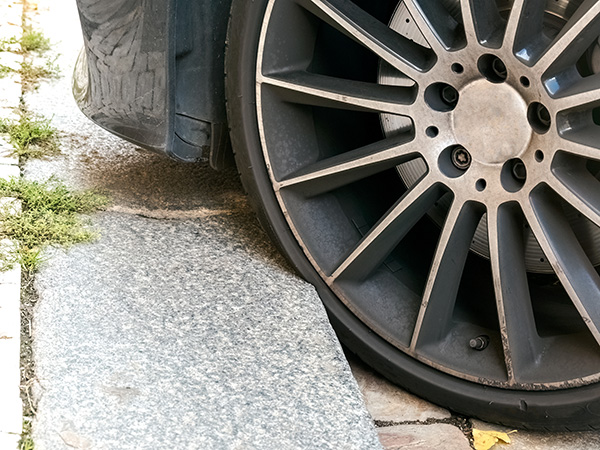
Hitting a curb might seem like a small mistake, especially if it didn’t leave any visible damage. But even low-speed impacts can affect parts of your car that aren’t easy to see. From bent wheels to misaligned suspension components, curb hits can cause issues that show up weeks later in the form of uneven tire wear, strange vibrations, or steering problems. If you've recently clipped a curb, it's worth knowing what might have been affected. How Curb Hits Affect Wheel Alignment The most common issue after hitting a curb is misalignment. Even a light impact can shift the angle of your wheels. When the toe or camber settings are off, your tires no longer sit flat on the road. This leads to uneven tire wear, pulling to one side, and reduced fuel efficiency. You might not feel it immediately, but after a few hundred miles, the wear on the tire edges becomes obvious. Suspension Components Can Get Knocked Out of Place Your suspension ... read more
Posted on 9/26/2025

When you’re pulling into a parking spot or backing out of your driveway, your steering wheel should turn easily and smoothly. If it starts to feel stiff or unusually heavy, especially at low speeds, your car may be trying to tell you something. Power steering is designed to make maneuvering effortless, so when it feels like you're wrestling with the wheel, there’s a problem worth checking out. Here are some common reasons why your power steering may feel heavier than usual when parking. Low Power Steering Fluid The most common reason for heavy steering is low fluid. Power steering systems use hydraulic fluid to assist the movement of your wheels, especially during tight turns and parking maneuvers. If there’s a leak or the fluid hasn’t been topped off in a while, the system loses pressure and steering becomes more difficult. You might notice a whining or groaning sound when turning the wheel, which is another sign that fluid is low. It&r ... read more
Posted on 8/29/2025

When school routines resume, parents and students alike rely heavily on their vehicles. From drop-offs and pick-ups to commuting to work and after-school activities, your car plays a central role in your daily schedule. A breakdown or unexpected repair during this busy season can throw everything off track. Taking time now to address small maintenance tasks ensures that your car is safe, reliable, and ready to handle the demands of the school year. Check Tire Health Before the Rush Tires are your only point of contact with the road, which makes them a priority for safety. Start by checking tread depth with the penny test: place a penny upside down in the tread, and if you can see the top of Lincoln’s head, it’s time for replacements. Uneven wear is also a red flag, as it may signal improper alignment or suspension issues. Don’t overlook tire pressure, either. Low pressure reduces fuel efficiency and increases the risk of blowouts, while overinflate ... read more
Posted on 7/28/2025
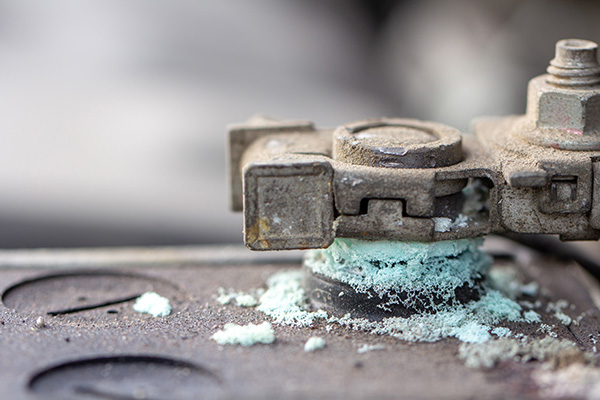
When your car refuses to start, many drivers immediately think of a dead battery or a failing starter motor. However, one often-overlooked culprit is a loose battery terminal. While it may seem like a minor issue, a loose connection at the battery can cause a range of electrical problems, including trouble starting your car. Let’s explore why this happens and why it’s important to fix it promptly. Battery Terminals Battery terminals are the connection points where the battery cables attach to the battery posts. These terminals are responsible for delivering power from the battery to your car’s electrical system, including the starter motor, lights, and accessories. When these connections are tight and clean, electricity flows smoothly. However, if a terminal becomes loose or corroded, it can disrupt this flow, resulting in a range of issues. How a Loose Terminal Affects Starting A loose terminal can prevent your battery from deli ... read more
Posted on 6/27/2025
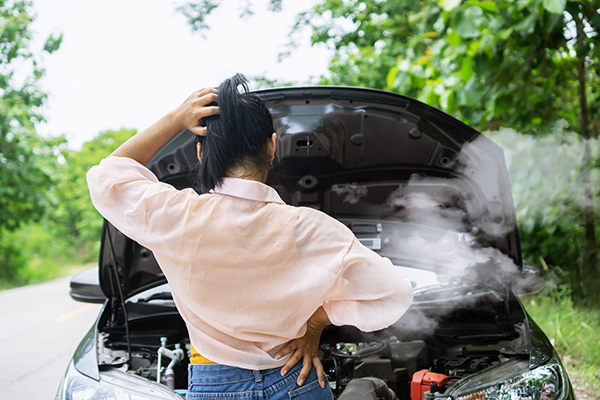
You’ve probably heard it time and again—change your oil regularly. Still, with busy schedules and tight budgets, it’s tempting to let it slide for a few weeks or even months. But the truth is, oil changes are one of the simplest and most cost-effective ways to preserve your engine’s health. Skipping just one service interval can set off a chain of problems that build silently and strike hard when you least expect it. Understanding what happens when you delay or skip an oil change can help you make better decisions for your vehicle and avoid serious repair bills down the road. Why Engine Oil Is So Important Your engine is made up of hundreds of moving parts working together at high speeds and high temperatures. Motor oil keeps those parts lubricated, reduces friction, carries away heat, and traps dirt and contaminants. As oil circulates, it protects the engine’s internal surfaces from metal-on-metal wear, which can lead to damage over ti ... read more